


Haywood Common is a locally driven restaurant project that blends contemporary hospitality design with the values of sustainability, community, and regional food culture. Located in the heart of West Asheville, this thoughtfully designed dining space offers a warm, welcoming atmosphere that reflects the restaurant’s mission to support local farms and producers through a seasonally inspired menu and a craft-forward bar.
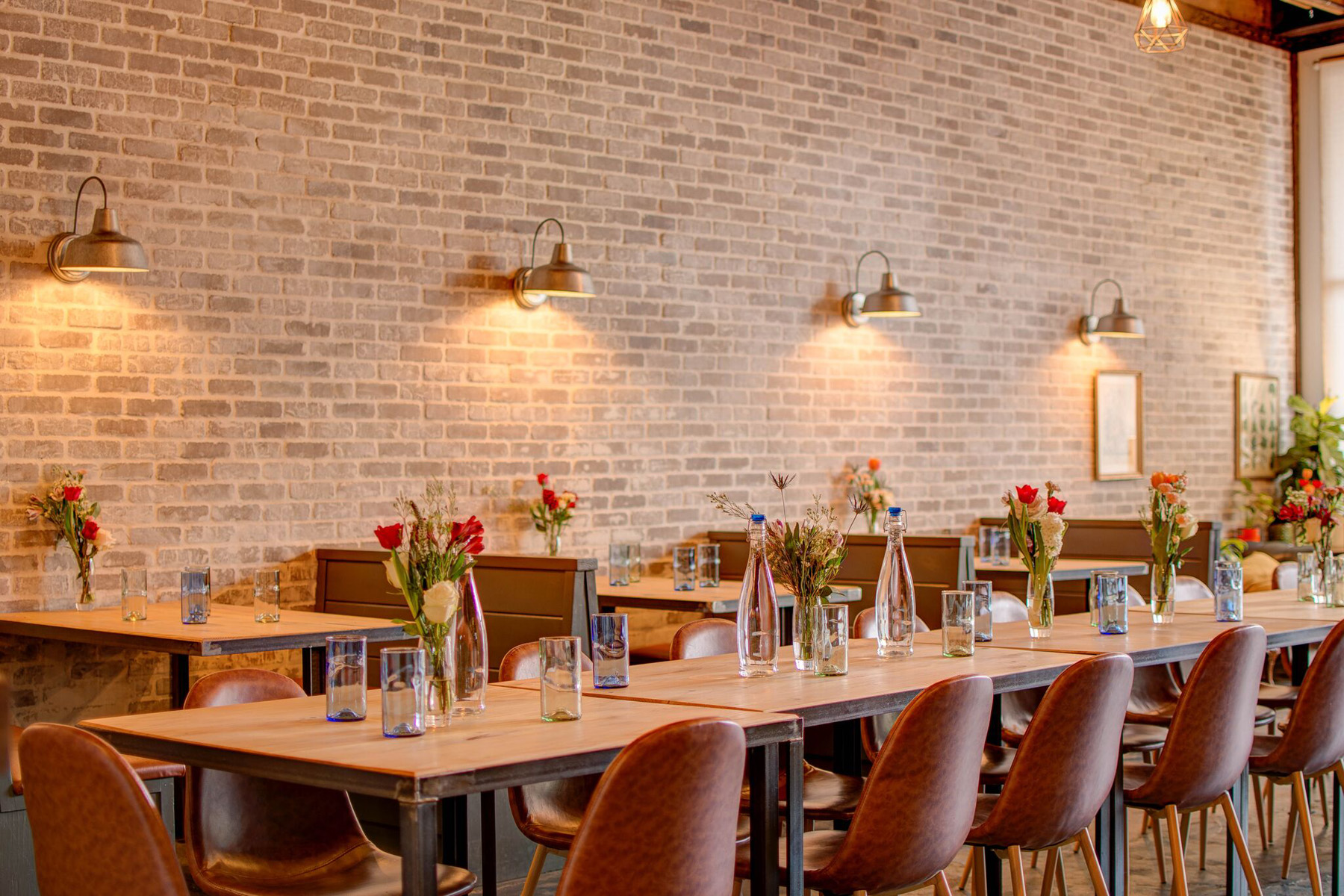

Our team was brought in to create a space that complements the culinary concept—fresh, approachable, and distinctly local. The design of Haywood Common centers on the idea of community gathering, with flexible seating layouts, a relaxed indoor-outdoor flow, and material choices that reflect the textures and tones of the Appalachian landscape. Natural wood, reclaimed elements, and soft lighting contribute to a rustic yet refined ambiance that invites guests to stay and connect.

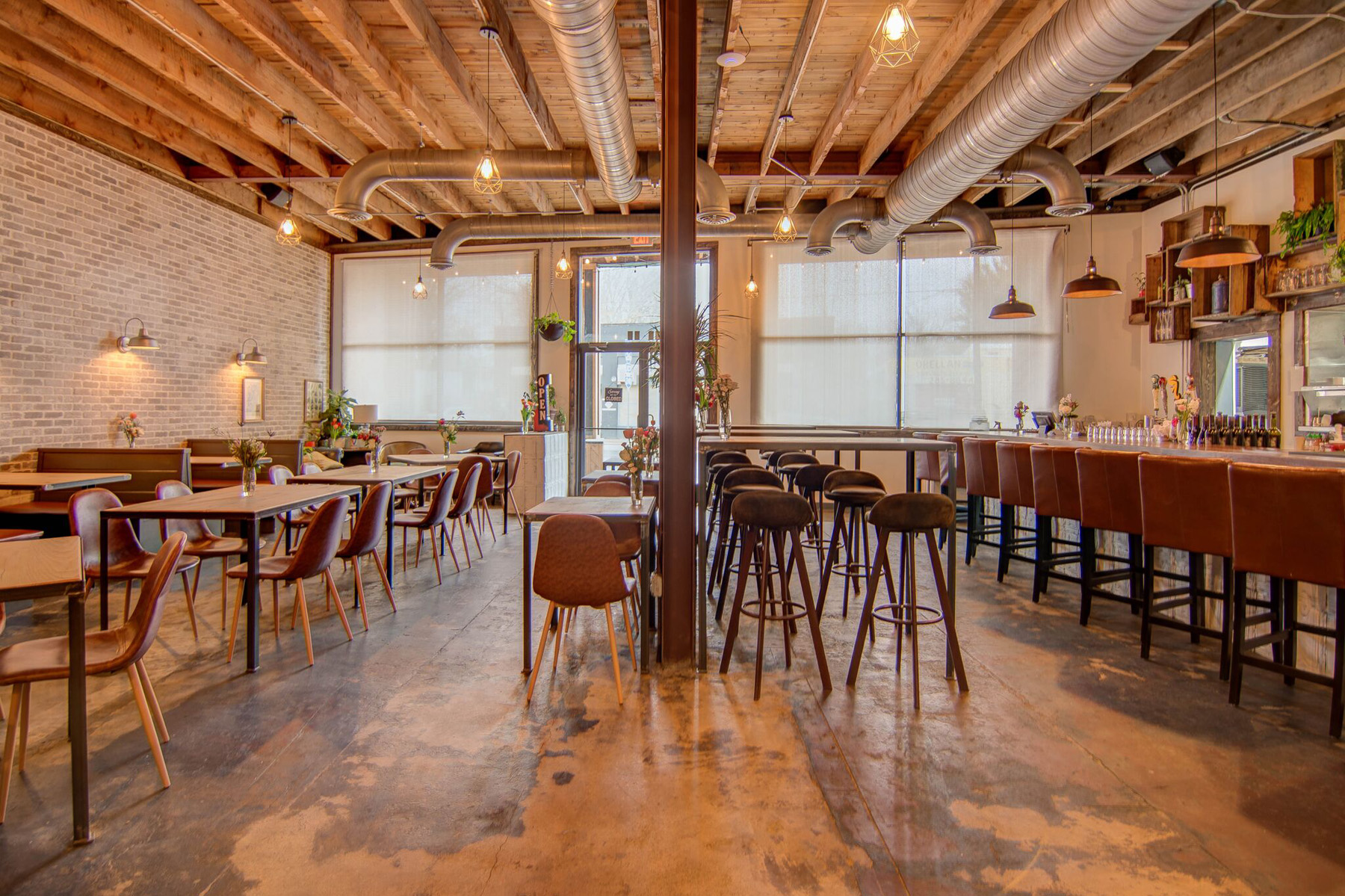
A key feature of the restaurant is its full-service bar, which serves classic cocktails with a local twist. The bar design serves as both a visual and social anchor for the space, with handcrafted finishes and open shelving that showcases local spirits and seasonal ingredients. Whether visitors are enjoying a full meal or just stopping by for a drink, the layout encourages movement and interaction throughout the space.

The kitchen and dining areas are organized to accommodate the restaurant’s seasonally rotating menu, which requires flexibility in both back-of-house operations and front-of-house presentation. Durable, easy-to-clean surfaces and smart circulation paths ensure efficiency without compromising aesthetic appeal.
This project is a strong example of our firm’s ability to design farm-to-table restaurant spaces that celebrate food, community, and place. Haywood Common is more than just a restaurant—it’s a shared experience grounded in local culture and brought to life through intentional architecture.


